Post-Workout Inflammation: Which Supplements Reduce Pain and Swelling
Introduction: Why Does Inflammation Occur After Training?
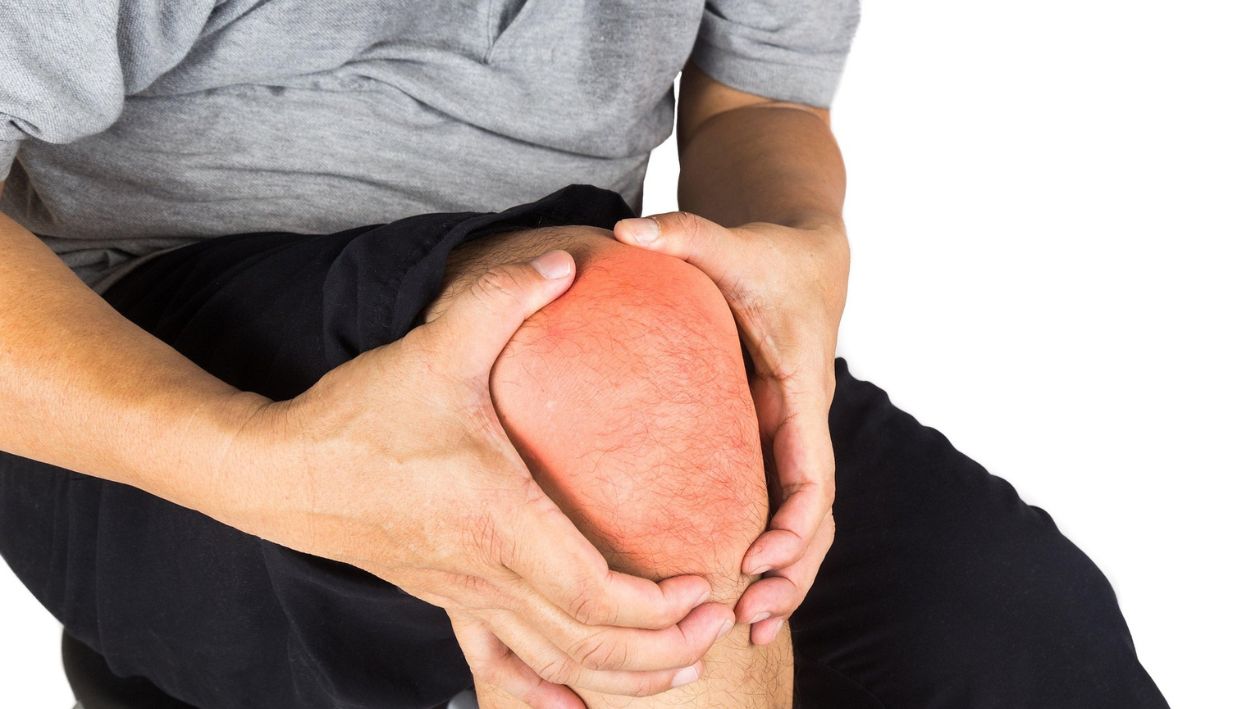
Post-workout inflammation is one of the most common issues faced by physically active people – from beginners to professional athletes. It often manifests as muscle soreness, joint stiffness, swelling, and sometimes a reduced range of motion. While a moderate inflammatory response is a natural and necessary adaptation mechanism, excessive inflammation can significantly slow down recovery and reduce training performance.
Post-workout inflammation is the body’s protective response to micro-damage caused by exercise, and proper supplementation can help reduce pain, swelling, and accelerate recovery.
In this article, you will learn:
what post-workout inflammation really is,
when it is beneficial and when it becomes harmful,
which supplements help reduce inflammation, pain, and swelling after training,
how to tailor supplementation to your type of physical activity.
What Is Post-Workout Inflammation?
Inflammation is a biological response to tissue damage. During intense training, the body experiences:
micro-tears in muscle fibers,
irritation of tendons and ligaments,
overload of joints.
In response, the body increases blood flow, activates immune cells, and releases inflammatory mediators. This leads to classic symptoms such as:
muscle soreness (DOMS),
swelling,
warmth,
stiffness.
Is Post-Workout Inflammation Bad?
Not always.
Moderate inflammation is essential for muscle adaptation, but excessive or chronic inflammation slows recovery and increases the risk of injury.
Problems arise when:
training frequency is too high without adequate recovery,
nutritional deficiencies are present,
early warning signs of overload are ignored,
training is resumed too quickly after injury.
In such cases, anti-inflammatory supplements for athletes can provide real support.
Which Supplements Reduce Post-Workout Inflammation?
Below are the most evidence-based supplements commonly recommended in sports nutrition.
Omega-3 Fatty Acids
Why Do Omega-3s Reduce Inflammation?
Omega-3 fatty acids regulate the production of inflammatory cytokines and eicosanoids. In practice, this means:
reduced muscle soreness after training,
decreased swelling,
improved joint recovery.
Omega-3 fatty acids reduce post-workout inflammation by inhibiting pro-inflammatory mediators and supporting muscle recovery.
Who Should Use Omega-3s?
strength and resistance athletes
endurance athletes
individuals experiencing joint discomfort after exercise
Dosage
Typically 1–3 g of combined EPA and DHA per day, preferably taken with meals.
See available Vitamins & Minerals
Turmeric (Curcumin)
How Does Curcumin Work?
Curcumin is one of the most powerful natural anti-inflammatory compounds. Its effects are often compared to NSAIDs, but without gastrointestinal burden.
Benefits include:
reduced muscle and joint pain,
decreased swelling,
faster recovery after intense training.
SEO note: curcumin supplements should include piperine or use bioavailable forms.
Collagen + Vitamin C
Does Collagen Reduce Inflammation?
Collagen is not a direct anti-inflammatory agent, but it:
supports the regeneration of tendons and ligaments,
improves cartilage health,
indirectly reduces chronic inflammation caused by overuse.
Collagen supports connective tissue repair, which can help reduce recurring post-workout inflammation.
Buy available Collagen products
Magnesium
Magnesium deficiency is commonly associated with:
muscle cramps,
increased muscle tension,
delayed recovery.
Magnesium supports:
muscle relaxation,
nervous system function,
overall recovery.
Best forms include:
magnesium citrate
magnesium bisglycinate
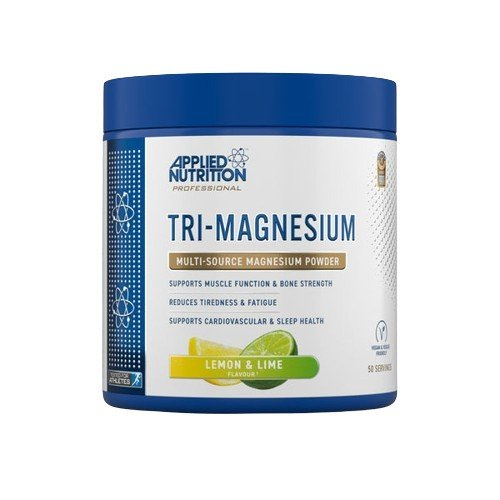
Buy: Tri-Magnesium, Lemon & Lime - 200g
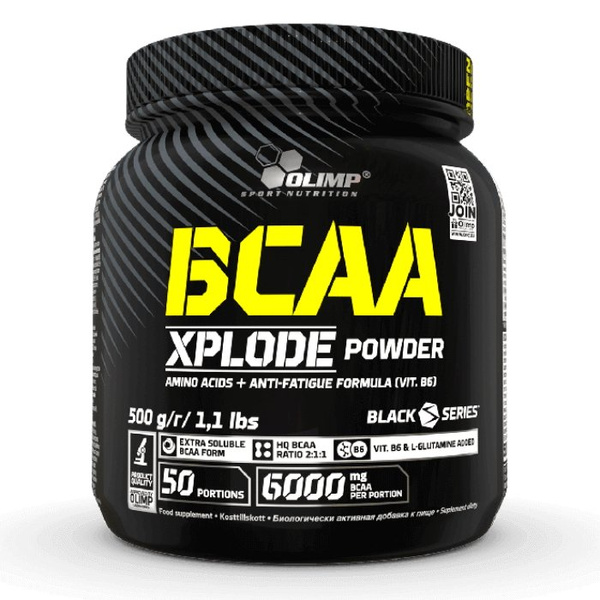
BCAA and EAA – Do They Reduce Inflammation?
Branched-chain amino acids (BCAAs) and essential amino acids (EAAs):
reduce muscle breakdown,
shorten recovery time,
decrease muscle soreness.
They do not directly suppress inflammation but reduce the extent of muscle damage, indirectly lowering the inflammatory response.
Vitamin D
Vitamin D:
modulates immune function,
reduces chronic inflammation,
supports muscle and joint health.
Vitamin D deficiency is strongly linked to:
muscle pain,
increased injury risk.
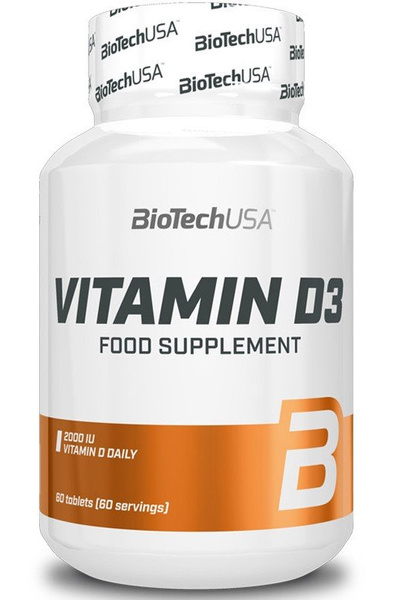
Buy: Vitamin D3, 50mcg - 120 tablets
Adaptogens (Ashwagandha, Rhodiola)
Adaptogens:
lower cortisol levels,
improve recovery capacity,
reduce stress-induced inflammation.
They are especially useful during periods of high training load.
How to Choose Supplements for Post-Workout Inflammation
Frequently Asked Questions (FAQ)
Can Supplements Replace Recovery?
No. Supplements support recovery but do not replace sleep, nutrition, and proper rest.
Are NSAIDs Better Than Supplements?
NSAIDs act quickly, but they:
may inhibit muscle adaptation,
can stress the digestive system.
For long-term use, anti-inflammatory supplements for athletes are the safer option.
How Long Should Anti-Inflammatory Supplements Be Used?
omega-3, vitamin D – long-term
curcumin – in cycles
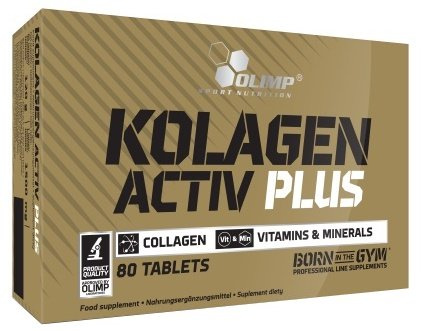
- collagen – at least 8–12 weeks See: Kolagen Activ Plus - 80 tablets
Summary: Which Supplements Help With Post-Workout Inflammation?
If you struggle with pain and swelling after training, consider:
omega-3 fatty acids as a foundation,
curcumin for more intense inflammation,
collagen + vitamin C for joint support,
magnesium and vitamin D for overall recovery,
adaptogens during high training stress.
Well-designed supplementation not only reduces post-workout inflammation, but also enables consistent training without unnecessary breaks or injuries.
For active individuals, recovery is not a luxury – it is a strategy.
Read also: The Most Common Supplementation Mistakes – How to Avoid Them
Recommended
Tri-Magnesium, Lemon & Lime - 200g
Vitamin D3, 50mcg - 120 tablets
Olimp BCAA Xplode Strawberry Fit 500g