The Most Common Supplementation Mistakes – How to Avoid Them

The Most Common Supplementation Mistakes – How to Avoid Them
Dietary supplementation has become a daily routine for millions of people. Vitamins, minerals, adaptogens, probiotics, and immune-support supplements are widely available and often promoted as quick solutions to health problems. Unfortunately, mistakes in supplementation are just as common as supplementation itself—and they are the main reason why many people see no results or, in some cases, even harm their health.
This article is educational and expert-driven. It explains the most common supplementation mistakes, why they can be harmful, and—most importantly—how to avoid them so that supplements actually work. Whether you follow a conscious lifestyle or run an online supplement store, this knowledge is essential.
Why Does Supplementation Often Fail?
Many people assume that because supplements are available without a prescription, they can be used freely. This is one of the biggest myths. Dietary supplements:
affect metabolism,
influence hormonal balance,
compete with each other for absorption,
may interact with medications.
👉 The problem is not supplements themselves—the problem is using them incorrectly.
The Most Common Supplementation Mistakes
1. Supplementing Without a Clear Goal
One of the most basic mistakes is taking supplements without a clearly defined purpose.
Common examples:
“I take magnesium because everyone does”
“I take vitamin D because it’s winter”
“I take everything for immunity”
Why is this a mistake?
The body needs specific nutrients in specific situations. Supplementing without a goal:
increases the risk of excess intake,
fails to deliver real results,
puts unnecessary strain on digestion and the liver.
SEO keywords: supplementation mistakes, supplementing without a goal
2. Skipping Tests and Ignoring Deficiencies
Another common mistake is taking supplements without checking whether a deficiency actually exists.
Most commonly ignored tests include:
vitamin D3 levels,
ferritin and iron,
vitamin B12,
magnesium,
zinc.
👉 Not every deficiency causes obvious symptoms, and excess intake can be just as dangerous as a deficiency.
See available vitamins and minerals
3. Taking Too Many Supplements at Once
“More is better” has nothing to do with rational supplementation.
Consequences of excessive supplementation:
competition for absorption (e.g., calcium vs. magnesium vs. iron),
digestive issues,
headaches and nausea,
lack of results despite high doses.
Expert rule:
👉 Fewer supplements, chosen wisely, work better than many random products.
Dosage-Related Supplementation Mistakes
4. Doses That Are Too Low or Too High
This is one of the most common mistakes in vitamin and mineral supplementation.
Doses that are too low:
do not meaningfully increase nutrient levels,
create a false sense of security.
Doses that are too high:
may lead to toxicity (e.g., vitamin A, iron),
disrupt mineral balance,
overload the liver and kidneys.
SEO keyword: supplement dosage mistakes
5. Lack of Consistency in Supplementation
Supplements work through consistency, not occasional use.
Common mistakes:
taking supplements “when you remember,”
taking long breaks without reason,
switching products every few days.
👉 The body needs time to replenish deficiencies and respond to supplementation.
Mistakes Related to Timing
6. Taking Supplements at the Wrong Time of Day
Timing has a major impact on supplement effectiveness.
Common timing mistakes:
taking magnesium in the morning instead of the evening,
taking B vitamins at night,
taking vitamin D on an empty stomach,
taking probiotics without following manufacturer guidelines.
SEO keyword: when to take supplements
7. Not Taking Fat-Soluble Vitamins With Fat
Vitamins:
A
D
E
K
are fat-soluble vitamins.
If you take them:
on an empty stomach,
with coffee,
without a meal,
👉 their absorption may be minimal.
Supplement Combination Mistakes
8. Improperly Combining Supplements
Some supplements:
enhance each other’s effects,
while others block absorption.
Common mistakes include:
iron + calcium,
zinc + iron,
magnesium + calcium taken at the same time.
SEO keyword: improper supplement combinations
9. Ignoring Interactions With Medications
Supplements may interfere with medications such as:
blood thinners,
hormonal medications,
thyroid medications,
antidepressants.
👉 This is one of the most dangerous supplementation mistakes, especially for people with chronic conditions.
Quality-Related Mistakes – What to Look for When Buying Supplements
10. Choosing Low-Quality Supplements
Not all supplements are equal. Differences include:
chemical form of nutrients,
bioavailability,
added fillers and excipients.
Low-quality supplements often:
contain poorly absorbed forms,
include artificial colors and fillers,
fail to meet real physiological needs.
SEO keyword: how to choose quality supplements
11. Blind Trust in Marketing Claims
Phrases like:
“1000% of daily value,”
“7-day detox,”
“natural equals safe,”
do not always reflect scientific reality.
👉 Marketing sells emotions, not evidence.
How to Avoid Supplementation Mistakes – Expert Guidelines
12. Define Your Goal and Priorities
Ask yourself:
what am I deficient in?
what do I want to improve?
what symptoms do I have?
13. Choose Quality Over Quantity
It is better to take:
3–5 well-chosen supplements
than10 random products.
14. Take Breaks From Supplementation
Some supplements should be:
cycled,
temporarily discontinued,
adjusted seasonally.
15. Seek Professional Guidance When Needed
Especially if you:
have chronic illnesses,
take prescription medications,
are pregnant,
supplement for children.
The Most Common Supplementation Myths
“Supplements can’t cause harm”
“More is always better”
“Natural means safe”
“One multivitamin fixes everything”
👉 Each of these myths leads to mistakes.
Conclusion: Conscious Supplementation Is the Foundation of Health
Most supplementation mistakes do not come from bad intentions, but from a lack of knowledge. Dietary supplements can genuinely support health, immunity, and energy—but only when they are:
tailored to individual needs,
used consistently,
taken in the right doses and at the right times,
sourced from trusted manufacturers.
👉 Conscious supplementation is a process, not a coincidence.
If you run an online supplement store, educating customers:
builds trust,
reduces returns and complaints,
strengthens your expert brand image.
Recommended

Tri-Magnesium, Lemon & Lime - 200g
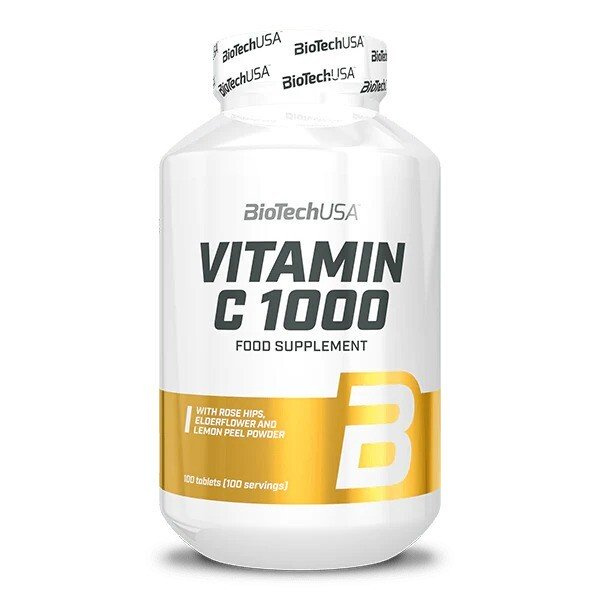
Vitamin C 1000 - 100 tablets