How to Speed Up Recovery After a Knee Injury? Supplements That Support Joint Health
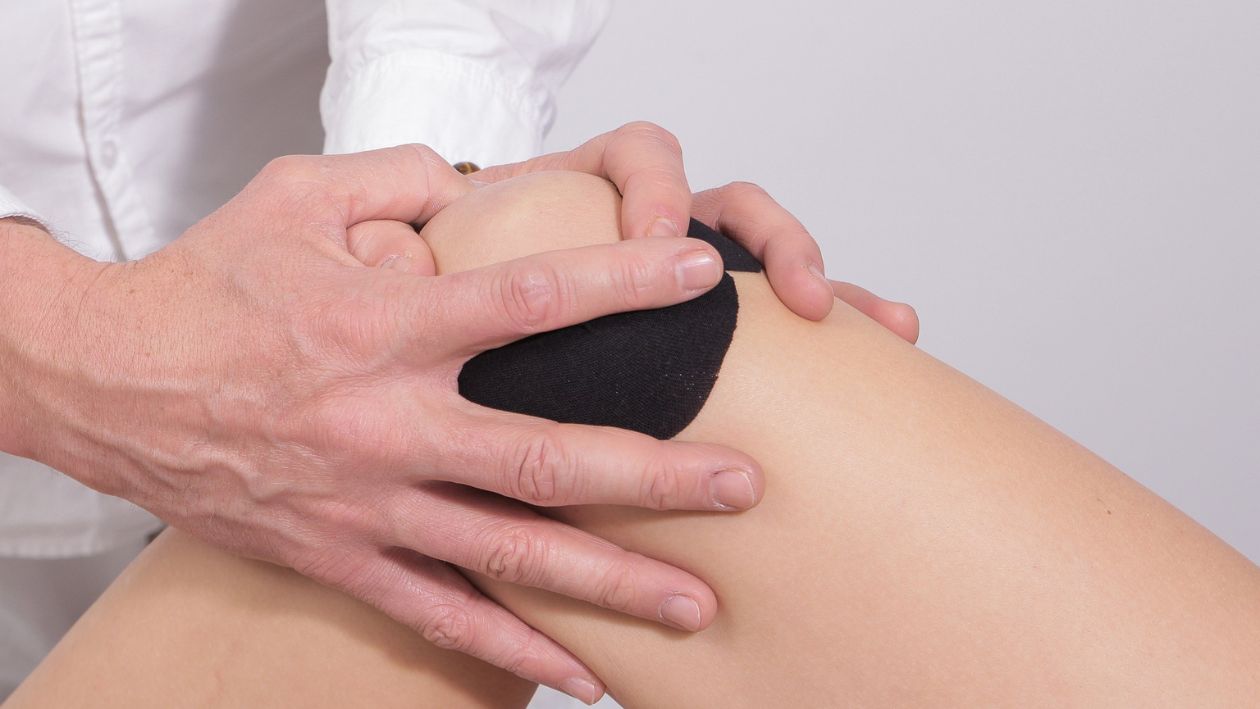
Recovery after a knee injury can be significantly faster when you combine rehabilitation, proper nutrition, and well-chosen joint supplements. The key is supporting cartilage repair, reducing inflammation, and restoring knee joint mobility.
In this article, I explain how to speed up knee recovery after an injury, which joint supplements are worth using, and how to support your body safely and effectively.
How can you speed up knee recovery after an injury?
The most effective way to speed up knee recovery after an injury is a comprehensive approach: rehabilitation, diet, and supplementation. Supplements alone will not “fix” the knee, but they can genuinely shorten the time needed to return to full mobility.
Only after addressing the basics can supplementation truly support knee joint regeneration.
After a knee injury—such as a sprain, ligament strain, meniscus damage, or overload—the body goes through several stages of recovery:
reduction of inflammation,
rebuilding soft tissues and cartilage,
restoring range of motion and joint stability.
To ensure efficient recovery, focus on:
Proper rehabilitation – exercises selected by a physiotherapist.
Whole-body recovery – quality sleep and stress reduction.
Supplying building nutrients – where joint-supporting supplements play a key role.
Which supplements support knee joint regeneration?
Supplements that support knee regeneration work by providing cartilage-building compounds, improving joint lubrication, and reducing inflammation. The best results come from combining ingredients with complementary effects.
It’s not about taking many supplements, but choosing high-quality products with proper dosing.
The most commonly recommended supplements for joints and knees include:
glucosamine and chondroitin,
type II collagen,
MSM (organic sulfur),
hyaluronic acid,
vitamins C and D,
omega-3 fatty acids.
See: Vitamin D3, 50mcg - 120 tablets
Below, each of these ingredients is explained in detail to help you consciously choose the right supplementation for your specific knee injury.Does collagen help knee recovery after an injury?
Yes, collagen genuinely supports knee recovery after an injury, especially type II collagen. It is responsible for the elasticity and strength of joint cartilage.
Regular collagen supplementation may reduce pain, stiffness, and accelerate the rebuilding of joint structures.
Which collagen is best for knee joints?
The best choices are:
type II collagen (UC-II) – effective even in small doses,
collagen hydrolysate – highly absorbable and supportive of connective tissues.
To maximize collagen effectiveness:
use it for at least 8–12 weeks,
combine it with vitamin C, which supports collagen synthesis,
take it consistently, preferably on an empty stomach or in the evening.
Collagen does not work like a painkiller—its effects build gradually but are long-lasting.
Buy available Collagen products
Glucosamine and chondroitin – do they really work for knee joints?
Glucosamine and chondroitin are among the most well-researched compounds supporting knee joints. Their primary role is protecting and rebuilding joint cartilage.
They work best when taken regularly over several months.
Benefits of glucosamine and chondroitin supplementation include:
improved joint flexibility,
reduced friction in the knee joint,
support for recovery after injuries and overuse.
Important to know:
these supplements do not work immediately,
the best results come from combining both ingredients,
they are especially recommended for physically active people and post-sports injuries.
How do MSM and organic sulfur affect knee recovery?
MSM, or organic sulfur, supports knee recovery through its anti-inflammatory and pain-relieving effects. It also helps rebuild connective tissues and improves ligament elasticity.
This is a frequently underestimated yet highly valuable ingredient after injuries.
MSM may:
reduce knee swelling,
support recovery after sprains and strains,
improve overall movement comfort.
For best results, MSM should be combined with:
collagen,
glucosamine,
vitamin C.
This combination works synergistically and is commonly found in comprehensive joint supplements.
See: Marine Collagen, Strawberry Lemonade - 300g
Do hyaluronic acid and omega-3 help with knee pain?
Yes, hyaluronic acid and omega-3 fatty acids can significantly reduce knee pain and improve joint mobility. Hyaluronic acid enhances joint lubrication, while omega-3s reduce inflammation.
This is particularly important in the first weeks following an injury.
Benefits include:
hyaluronic acid – improved joint cushioning and lubrication,
omega-3 fatty acids – reduced pain and morning stiffness,
better conditions for cartilage regeneration.
Omega-3s should be supplied both through supplements and diet (fatty sea fish, flaxseed oil).
See: Zobacz: Omega 3 - 90 caps
How long should you take supplements for knee recovery?
Supplements for knee recovery should be taken for at least 2–3 months, and in many cases even longer. Cartilage and connective tissue regeneration is a slow process.
Stopping supplementation too early usually prevents noticeable results.
Recommended supplementation phases:
Acute phase (first weeks) – omega-3, MSM, vitamin D.
Rebuilding phase – collagen, glucosamine, chondroitin.
Prevention phase – lower doses but long-term use.
Remember, supplements support recovery but do not replace rehabilitation or medical consultation.
Read also: Post-Workout Inflammation: Which Supplements Reduce Pain and Swelling
FAQ – Frequently Asked Questions
Can joint supplements replace knee rehabilitation?
No, supplements support recovery but cannot replace physiotherapy and targeted exercises.
When should you start supplementation after a knee injury?
As soon as possible after the injury, once contraindications are ruled out and inflammation begins to subside.
Are knee joint supplements safe for long-term use?
Most joint supplements are safe when used according to the manufacturer’s recommendations.
Recommended
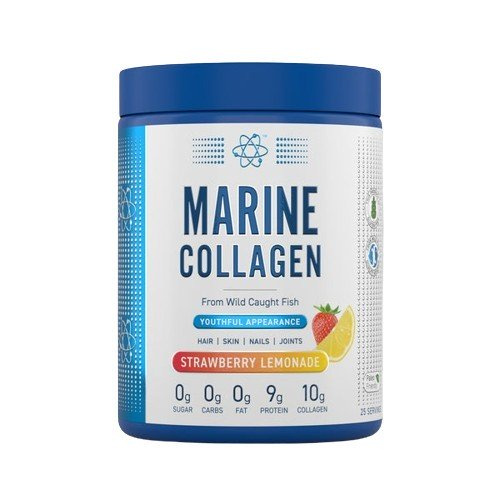
Marine Collagen, Strawberry Lemonade - 300g
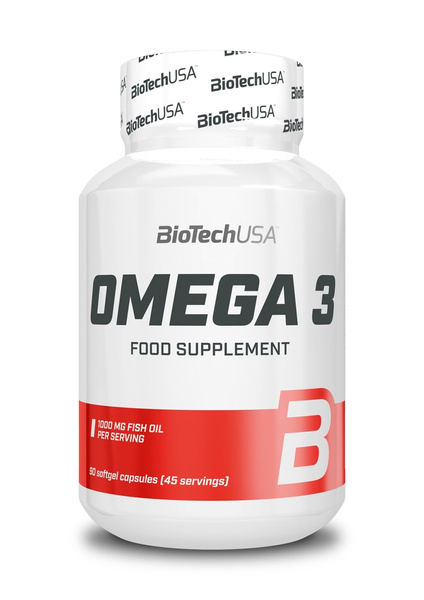
Omega 3 - 90 caps