Regeneration After Training – What to Take to Rebuild Faster?

Regeneration After Training – What to Take to Rebuild Faster?
Regeneration after training is the foundation of athletic progress. Regardless of whether you train for strength, endurance, or recreational purposes, without proper recovery your body cannot rebuild muscle tissue, replenish energy stores, or prepare for the next workout. This is why post-workout recovery supplements are becoming increasingly popular among both beginners and advanced athletes.
In this article, you will learn what to take after a workout to support regeneration, which supplements really work, and how they shorten the time needed for muscle repair. You’ll also discover the most important principles of optimal recovery, including nutrition, sleep and hydration.
The article naturally includes SEO phrases such as: post-workout recovery, what to take for recovery, muscle recovery supplements, how to speed up regeneration, how to rebuild muscles after training, and what helps with soreness.
Why Is Post-Workout Recovery So Important?
Every workout – regardless of intensity – puts stress on the muscles, nervous system, and energy pathways. During exercise, muscle microdamage occurs and glycogen levels drop. This is a natural process, but it requires proper rebuilding.
If you skip recovery, you may experience:
chronic fatigue
decreased strength and endurance
increased risk of injury
training stagnation
sleep problems and poor concentration
This is why athletes increasingly turn to supplements that support post-workout recovery and help them return to full form faster.
What Influences Post-Workout Recovery?
Recovery is not dependent solely on supplementation. Key elements include:
Sleep – at least 7–9 hours a night
Diet – proper intake of protein, carbohydrates, and electrolytes
Hydration – replenishing fluids during and after training
Supplementation – ingredients that support muscle repair
Lighter training days – also known as active recovery
In this article, we will focus mainly on what to take after training to support these processes as effectively as possible.
The Most Important Supplements for Post-Workout Recovery
Below you’ll find a description of the most commonly used recovery supplements, how they work, and when to take them to accelerate muscle regeneration as much as possible.
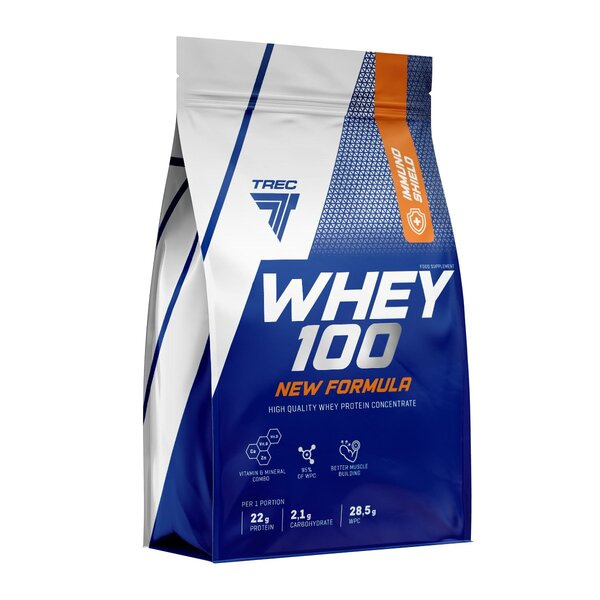
Protein – the Foundation of Muscle Recovery
Protein is the basic building block of tissues. To rebuild muscle after training, your body needs an adequate supply of amino acids delivered shortly after exertion.
The most commonly used protein supplements include:
WPC (whey protein concentrate)
WPI (whey protein isolate)
WPH (hydrolysate with the fastest absorption)
Casein (slow-release amino acids)
Why does protein support post-workout recovery?
supports muscle protein synthesis
reduces catabolism
speeds up muscle fiber repair
reduces DOMS (delayed onset muscle soreness)
How much protein should you take after a workout?
The optimal amount is 20–30 g of high-quality protein consumed within 1 hour after training.
See available protein products
Creatine – Regeneration Support and Strength Boost
Although creatine is mainly associated with strength and muscle gains, it is also excellent for improving recovery.
How does creatine support regeneration?
replenishes ATP faster, reducing fatigue
improves cellular hydration via the “volumizing effect”
supports muscle fiber repair
makes training the next day easier
Regular use increases overall training efficiency, which naturally shortens recovery time.
See available creatine products
Amino Acids – BCAA vs EAA for Recovery
Amino acids are among the most popular supplements for reducing soreness and supporting regeneration. But which ones should you choose?
BCAA – do they work?
BCAA includes leucine, isoleucine and valine. Their main benefits:
reducing DOMS
supporting protein synthesis
preventing muscle breakdown
However, BCAA alone do not provide a full amino acid profile.
EAA – complete regeneration support
EAA are a complete set of essential amino acids. They are significantly more effective at:
rebuilding muscle fibers
reducing fatigue
supporting strength and muscle growth
If you are wondering what to take after training for recovery, EAA offer far more complete support than BCAA.
Glutamine – Immune System and Recovery Support
Glutamine is often called the recovery amino acid.
Why does glutamine help?
supports the immune system
shortens recovery time after intense sessions
helps replenish glycogen
has anti-catabolic effects
It is especially beneficial for endurance training and high weekly volume.
Omega-3 – Anti-Inflammatory Regeneration Support
Omega-3 fatty acids help reduce inflammation and muscle stiffness.
How do omega-3s support recovery?
reduce post-exercise micro-inflammation
decrease muscle soreness
support repair processes
regulate hormonal responses
Supplements with high EPA and DHA content are the most effective.
Electrolytes – Essential After Every Intense Workout
During exercise, you lose sodium, potassium, magnesium and calcium. Deficiencies slow down recovery.
Why are electrolytes crucial post-workout?
prevent muscle cramps
maintain cellular hydration
support neuromuscular function
prevent next-day fatigue
If you often feel “worn out” after training, electrolytes may be the missing link.
Carbohydrates – Fast Glycogen Replenishment
If you train strength, functional or endurance sports, carbohydrates are essential after a workout.
Why do carbohydrates speed up regeneration?
replenish muscle glycogen
support recovery processes
work synergistically with protein
reduce post-training fatigue
The best options include Vitargo, maltodextrin and dextrose.
See available carbo productsSleep Supplements – the Silent Hero of Recovery
Recovery happens primarily at night. If you sleep poorly, no supplement will fully compensate.
Popular sleep-support supplements include:
magnesium
ZMA
melatonin
ashwagandha
GABA
Better sleep equals better muscle rebuilding.
How to Speed Up Recovery? Practical Tips
In addition to supplementation, it’s worth incorporating a few simple habits.
1. Eat within 1 hour after training
This is when your body absorbs nutrients most efficiently – the so-called anabolic window.
2. Prioritize sleep
No sleep = no recovery.
3. Alternate intense and light training days
Give your nervous system time to recover.
4. Don’t overdo supplements
It’s better to use 2–3 well-chosen products than 10 random ones.
Which Supplements Should You Take After Training? Summary
If you want maximum recovery, the best stack includes:
whey protein
creatine
EAA
glutamine
omega-3
electrolytes
post-workout carbohydrates
This combination shortens recovery time, supports muscle growth and helps you train more frequently without overloading your body.
What to Take for Muscle Soreness (DOMS)?
The most effective supplements include:
EAA
omega-3
magnesium
glutamine
electrolytes
Regular use significantly reduces DOMS.
Final Thoughts
Post-workout recovery is not a luxury — it’s a necessity. Without it, you cannot build strength, muscle mass or improve performance. Supplements can effectively support this process, but the key is choosing them wisely and matching them to your training type, needs and intensity.
If you want to train efficiently, return to form faster, and avoid overtraining — the right recovery supplements will help far more than you expect.
Recommended
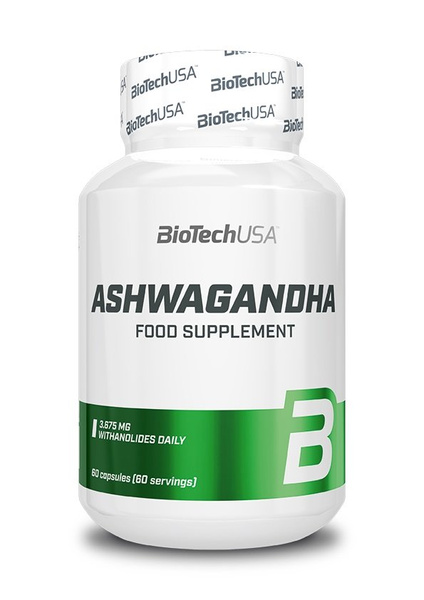
Ashwagandha - 60 caps
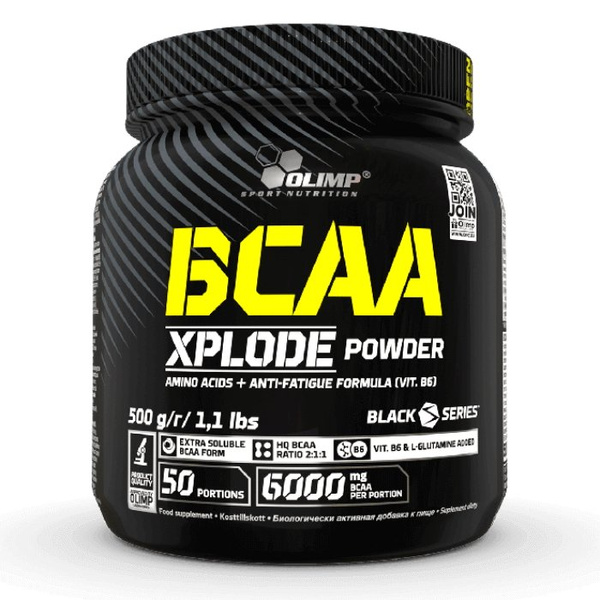
Olimp BCAA Xplode Orange 500g
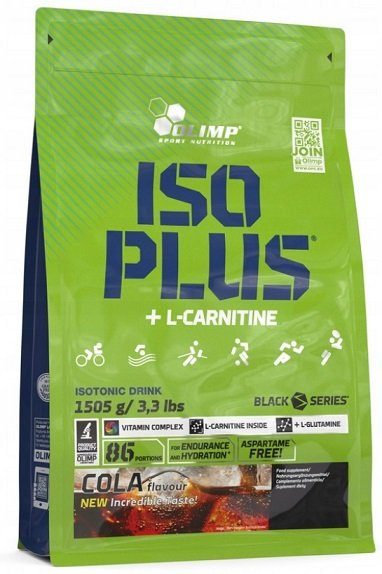
Iso Plus, Cola - 1505g