
How to Combine Supplements? Rules You Didn’t Know

How to Combine Supplements? Rules You Didn’t Know
Dietary supplementation has become one of the most popular ways to support health, immunity, and overall physical performance. Vitamins, minerals, adaptogens, amino acids, and immune-support supplements are widely available and commonly used by both physically active individuals and people who simply want to improve their well-being or correct nutritional deficiencies. However, combining supplements incorrectly can produce effects opposite to those intended.
Did you know that some supplements block each other’s absorption, others require fat to work effectively, and some may overload the liver or kidneys if taken improperly? In this article—written in an expert yet accessible tone—you’ll learn how to combine supplements properly so they are effective, safe, and fully Google-friendly from an SEO perspective.
Why Is Proper Supplement Combination So Important?
Dietary supplements do not work in isolation. Every vitamin and mineral participates in complex biochemical processes. Incorrect combinations may:
reduce nutrient absorption
lead to excess intake of certain elements
decrease supplementation effectiveness
cause digestive discomfort
increase the risk of interactions with medications
That’s why conscious supplementation is not a trend, but a key element of preventive healthcare.
Basic Rules for Combining Dietary Supplements
1. Always Start with a Supplementation Goal
Before taking multiple supplements at the same time, ask yourself one essential question: Why am I supplementing?
The most common supplementation goals include:
improving immunity
supporting the nervous system
increasing energy levels
improving gut health
sports performance and recovery
stress reduction
Supplement combinations should be intentional, not random.
2. Fat-Soluble Vitamins Shouldn’t Be Taken “Dry”
Fat-soluble vitamins include:
vitamin A
vitamin D
vitamin E
vitamin K
To ensure proper absorption:
take them with meals containing healthy fats
avoid combining them with large amounts of fiber
SEO keyword: fat-soluble vitamins supplementation
Best and Worst Supplement Combinations
Vitamin D3 + K2 + Magnesium – The Golden Trio
This is one of the most researched and widely recommended supplement combinations.
Why does it work so well?
vitamin D3 increases calcium absorption
vitamin K2 directs calcium into bones instead of blood vessels
magnesium activates vitamin D
👉 This combination supports bone health, immunity, and the nervous system.
Vitamin C + Iron – Pure Synergy
Vitamin C:
significantly increases the absorption of non-heme iron
helps prevent iron-deficiency anemia
Important:
Do not combine iron with:
calcium
coffee or tea
zinc
Zinc + Copper – Balance Is Key
Zinc is a popular supplement for immunity, skin health, and hair growth. However, excessive zinc intake may lead to copper deficiency.
Rule:
If you supplement zinc long-term, ensure:
adequate copper intake
proper zinc-to-copper ratios
Supplement Combinations to Avoid
Calcium + Magnesium + Iron – Competition for Absorption
Although these minerals are often included in one product, in reality they:
compete for the same intestinal transporters
reduce each other’s absorption
Better solution:
Take them at different times of the day.
High-Dose Antioxidants + Strength Training
Surprisingly, excessive amounts of:
vitamin C
vitamin E
may impair muscle adaptation to resistance training.
👉 Athletes should supplement strategically.
Best Time of Day to Take Supplements
Morning
B-complex vitamins
adaptogens (ginseng, rhodiola)
vitamin C
During the Day
probiotics (according to manufacturer instructions)
zinc (away from calcium-rich meals)
Evening
magnesium
melatonin
ashwagandha
SEO keyword: when to take dietary supplements
Supplements and Medications – What to Watch Out For
If you are taking medications for:
thyroid disorders
blood clotting
depression
high blood pressure
Always check for interactions.
Some supplements may:
reduce drug effectiveness
increase side effects
Are Multivitamins a Good Choice?
Multivitamins are convenient, but they often:
contain doses that are too low
combine competing ingredients
fail to meet individual needs
Expert advice:
It’s better to use individually selected supplements than rely on a one-size-fits-all product.
The Most Common Supplementation Mistakes
taking everything at once
lack of consistency
excessive dosages
no supplementation breaks
following trends instead of science
How to Combine Supplements Safely – Checklist
✔ define your supplementation goal
✔ check for interactions
✔ separate mineral intake
✔ consider timing during the day
✔ include supplementation breaks
✔ choose high-quality supplements
Conclusion: Conscious Supplement Combination Is the Key to Results
Dietary supplements can be a powerful tool for improving health—but only when used consciously and in line with human biochemistry. Random supplement combinations are one of the most common reasons supplementation fails.
If you want to:
boost immunity
increase energy
strengthen bones and muscles
avoid side effects
👉 choose knowledge over chance.
When shopping online, look for supplements that:
have simple, transparent formulations
offer high bioavailability
come from trusted manufacturers
Conscious supplementation is an investment in your health—not a cost, but a long-term strategy.
Recommended
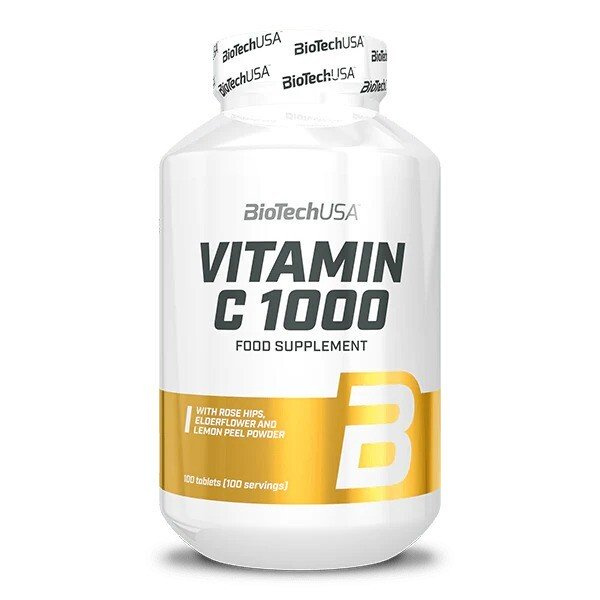
Vitamin C 1000 - 100 tablets
