Supplements That Really Work – What Scientific Research Confirms

Supplements That Really Work – What Scientific Research Confirms
In the world of dietary supplements, it is easy to get lost. Advertisements promise quick results, “miracle” ingredients, and dramatic improvements in health, body composition, or immunity. Meanwhile, not every supplement actually works, and many are driven more by marketing than by science.
That is why, in this article, we take an expert, evidence-based approach and examine supplements whose effectiveness is supported by scientific research.
The goal of this article is not only to answer the question “Which supplements really work?” but also to explain how to choose dietary supplements wisely, so they are safe, effective, and genuinely support long-term health.
Why Should Supplements Be Based on Scientific Evidence?
The dietary supplement market is growing rapidly worldwide. Unfortunately, supplements are not regulated as strictly as medicines. This means that:
a supplement can be legally sold without proven effectiveness,
active ingredient doses may be too low to produce real effects,
marketing claims often go far beyond scientific evidence.
That is why clinical trials, meta-analyses, and recommendations from scientific institutions are crucial. In this article, we focus exclusively on supplements with strong scientific support.
Which Supplements Really Work? Evidence-Based Overview
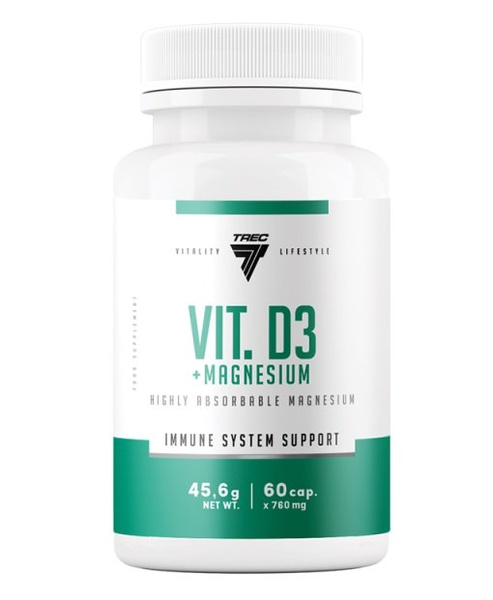
Vitamin D – A Foundation of Health
Why Is Vitamin D So Important?
Vitamin D is one of the most thoroughly researched dietary supplements. Deficiency is extremely common, especially in countries with limited sun exposure.
Scientific studies confirm that vitamin D:
supports proper immune system function,
contributes to healthy bones and teeth,
plays a role in muscle function,
may reduce the risk of respiratory infections.
When Does Vitamin D Supplementation Make Sense?
From both a health and SEO perspective, the message is clear:
👉 Vitamin D supplementation is justified for most adults during autumn and winter, and often year-round.
Omega-3 Fatty Acids (EPA and DHA) – Heart and Brain Support
What Does Research Say About Omega-3?
Omega-3 fatty acids, especially EPA and DHA, are among the most scientifically validated supplement ingredients.
Research shows they:
support cardiovascular health,
help lower triglyceride levels,
support cognitive function,
exhibit anti-inflammatory effects.
Diet vs. Omega-3 Supplements
Although fatty fish are the best natural source of omega-3s, many people consume too little. In such cases, high-quality omega-3 supplements with adequate EPA and DHA content are effective, as confirmed by multiple meta-analyses.
Magnesium – Support for the Nervous System and Muscles
Does Magnesium Supplementation Work?
Magnesium is involved in over 300 enzymatic reactions in the body. Scientific research links magnesium deficiency to:
muscle cramps,
fatigue,
sleep disturbances,
irritability.
Which Forms of Magnesium Are Most Effective?
The most bioavailable and well-studied forms include:
magnesium citrate,
magnesium lactate,
magnesium bisglycinate.
Magnesium oxide should generally be avoided due to poor absorption.
See available vitamins and minerals
Supplements for Immune Support – What Actually Works?
Zinc – A Small Mineral with Big Impact
Zinc plays a critical role in immune function, and its importance is well supported by research.
Studies show that:
zinc deficiency increases susceptibility to infections,
supplementation may shorten the duration of the common cold,
zinc supports wound healing and tissue regeneration.
From an SEO standpoint: zinc is one of the most scientifically supported immune supplements.
Probiotics – Only Specific Strains Work
Do All Probiotics Work?
No – and this is a key point.
Scientific evidence clearly shows that the effectiveness of probiotics depends on the strain, not just the term “probiotic.”
Well-researched strains include:
Lactobacillus rhamnosus GG,
Saccharomyces boulardii,
Bifidobacterium lactis.
When Are Probiotics Useful?
Evidence-based probiotics:
support gut microbiota after antibiotic treatment,
help reduce the risk of diarrhea,
contribute to immune function through gut health.
Supplements That Support Energy and Focus
Creatine – Not Just for Athletes
Although commonly associated with strength training, scientific studies show that creatine:
improves physical performance,
supports muscle recovery,
may positively affect cognitive function.
Creatine is one of the most extensively researched supplements worldwide and has an excellent safety profile.
Caffeine – Effective but Requires Moderation
Caffeine is a legal and well-studied stimulant. Research confirms that it:
improves concentration,
increases alertness,
reduces perceived fatigue.
However, excessive caffeine intake may cause:
insomnia,
nervousness,
increased blood pressure.
Supplements That Do Not Always Work – What to Watch Out For
“Miracle” Blends and Superfoods
From an expert perspective, it is important to state clearly:
👉 No research = no guaranteed effectiveness.
Supplements containing:
exotic extracts in minimal amounts,
complex blends without standardized dosing,
trendy superfoods lacking clinical studies
often deliver more marketing appeal than real benefits.
How to Choose Dietary Supplements Wisely
Key Principles for Choosing Supplements
Check the active ingredient doses and forms
Look for scientific evidence and clinical studies
Choose supplements with simple, transparent formulations
Avoid products promising “miracle” results
Match supplementation to your actual health needs
From both an educational and SEO standpoint, informed supplement selection is the foundation of real results.
Conclusion – Supplements That Truly Work
Not all dietary supplements are created equal. Those that truly work share one common feature: strong scientific evidence.
The most well-supported supplements include:
vitamin D,
omega-3 fatty acids (EPA and DHA),
magnesium (in bioavailable forms),
zinc,
selected probiotic strains,
creatine.
If you run an online supplement store, building customer trust through education, transparency, and science-based product selection is far more effective than relying on marketing hype.
Smart supplementation is an investment in health — as long as you choose supplements that really work.
Recommended
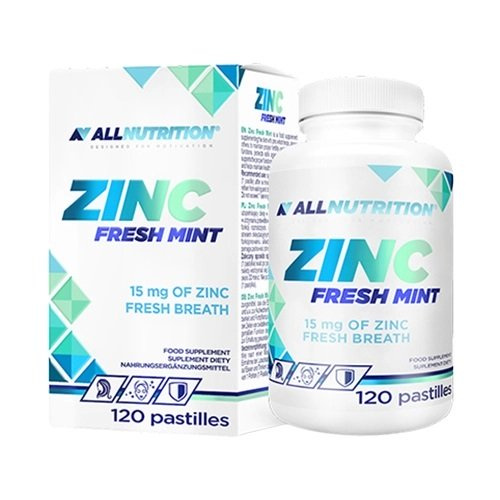
Allnutrition Zinc 15mg Supports Immune System Fresh Mint 120 Lozenges
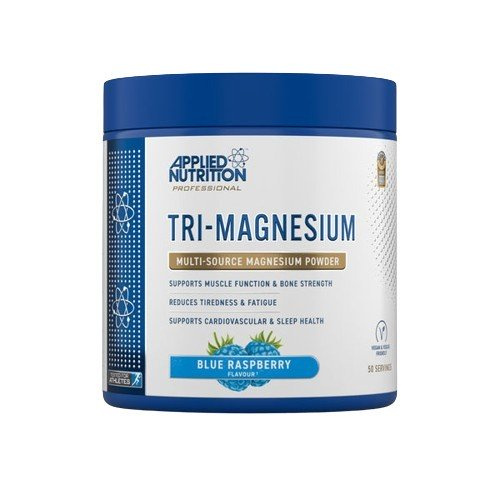
Tri-Magnesium, Blue Raspberry - 200g
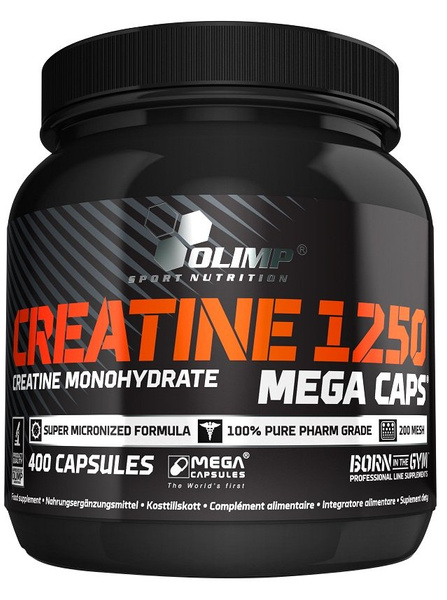
Olimp Creatine 1250 Mega Caps 400 Capsules