Creatine – How It Works and When to Take It? A Complete Guide for Beginners

Creatine – How It Works and When to Take It? A Complete Guide for Beginners
Creatine is one of the most popular and well-researched dietary supplements in the world. It’s used by professional athletes as well as recreational gym-goers. Its effects have been confirmed in hundreds of scientific studies — it improves strength, endurance, and speeds up recovery.In this complete guide, you’ll learn how creatine works, when to take it, what types of creatine are available, and whether you should use it during fat loss. This is a must-read for anyone who wants to unlock the full potential of this proven supplement.
🧠 What Is Creatine?
Creatine (from the Greek kreas – flesh) is a naturally occurring organic compound produced in the liver, kidneys, and pancreas from three amino acids: arginine, glycine, and methionine.About 95% of creatine in the body is stored in skeletal muscles as phosphocreatine, which plays a key role in the production of ATP (adenosine triphosphate) – the main source of energy for muscle contractions.During high-intensity exercise, ATP is depleted rapidly. Creatine helps regenerate ATP stores, allowing your muscles to work harder for longer periods.
⚙️ How Does Creatine Work? Step-by-Step Mechanism
Creatine’s power lies in a simple but highly effective mechanism: it fuels your muscles with energy, improving performance during short, intense bursts of activity.
🔹 How It Works:
Increases phosphocreatine stores – creatine supplementation raises muscle phosphocreatine levels by 20–40%.
Accelerates ATP regeneration – more phosphocreatine means faster ATP resynthesis, allowing for stronger and longer workouts.
Boosts strength and endurance – studies show that creatine users can perform 1–2 more reps per set, with strength gains of 5–15%.
Enhances muscle volume – creatine increases cell hydration, giving muscles a “fuller” look and stimulating protein synthesis.
Speeds up recovery – it helps restore energy stores faster and reduces muscle damage after training.
📊 A 2017 meta-analysis published in the Journal of the International Society of Sports Nutrition found that creatine supplementation increased muscle strength by an average of 8% and lean body mass by about 1.4 kg compared to placebo.
💪 Key Benefits of Creatine
Whether you’re a beginner or advanced athlete, creatine offers a range of scientifically proven benefits:
Increases strength and muscle power
Accelerates muscle growth (hypertrophy)
Improves performance in short, high-intensity workouts
Shortens recovery time between sessions
Enhances cognitive performance and focus
Supports fat burning indirectly — higher training intensity = greater calorie expenditure
🕒 When Should You Take Creatine – Before or After a Workout?
This is one of the most common questions about creatine supplementation.
🏋️♂️ Taking Creatine After a WorkoutMost research suggests that the best time to take creatine is post-workout. After training, your muscles are more receptive to nutrients, which improves creatine absorption.
For optimal results, take it together with carbohydrates or protein, which enhance muscle uptake.
⏰ Taking Creatine Before a WorkoutSome athletes take creatine before training to slightly boost energy. However, creatine doesn’t provide an immediate effect — it works cumulatively. What matters most is maintaining a consistent level in the body.
📅 Daily Use Is KeyRegardless of timing, the most important thing is daily supplementation. Creatine works best when muscle stores remain saturated.
🧪 How to Use Creatine – Dosage Guide for Beginners
🔸 Loading Phase (Optional)Some people use a loading phase: 20 g per day (split into 4 doses of 5 g) for 5–7 days.
This helps saturate muscles faster but isn’t required.
🔸 Maintenance PhaseAfter loading — or from the start — take 3–5 g of creatine daily to maintain optimal levels.
🔸 Duration of UseCreatine can be taken continuously without cycling. Long-term use has been proven safe.
🧴 Types of Creatine – Which One Should You Choose?
There are many forms of creatine on the market, differing in solubility, absorption, and additional ingredients.
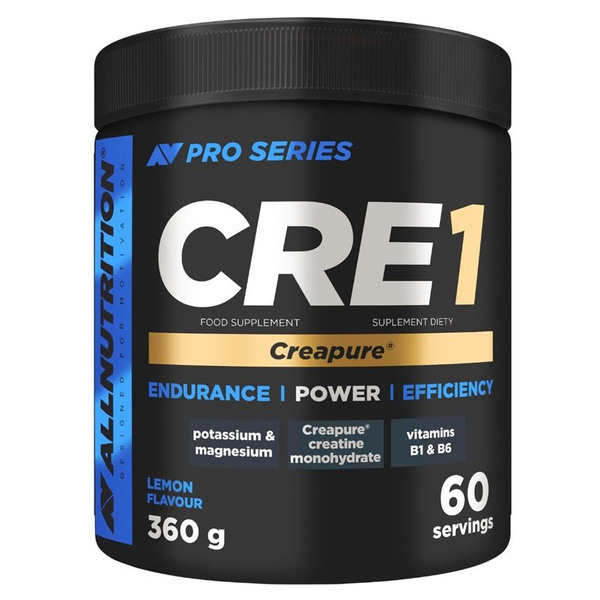
Creatine Monohydrate
The gold standard and most researched form of creatine.Pros: best value for money, proven effectiveness, high bioavailability.
Recommended for: beginners and advanced athletes alike.
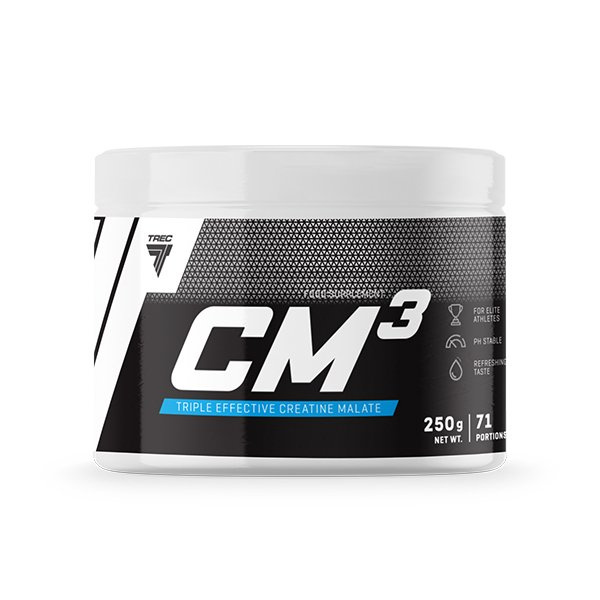
2. Creatine Malate (Tri-Creatine Malate)
Combines creatine with malic acid for improved absorption.Pros: easy on the stomach, minimal water retention.
Recommended for: endurance athletes and those with sensitive digestion.
But Creatine Malate
3. Creatine HCL (Hydrochloride)
Highly soluble and effective in smaller doses.Pros: better solubility, no bloating.
Recommended for: users seeking a light, efficient formula.
4. Kre-Alkalyn (Buffered Creatine)
Stabilized at a higher pH to prevent breakdown in the stomach.Pros: gentle on digestion, no loading required.
Recommended for: users with digestive issues.
5. Creatine Blends (Stacks)
Mix of various creatine forms with added ingredients such as taurine, beta-alanine, or caffeine.Pros: synergistic effects, more energy before workouts.
Recommended for: advanced athletes.
⚖️ Does Creatine Cause Water Retention?
This is a common myth. While creatine increases muscle hydration, it does not cause “bloating” or subcutaneous water retention. The added water is intramuscular, giving muscles a firmer, fuller appearance.The slight weight gain (1–2 kg after a few weeks) comes mostly from increased glycogen and phosphocreatine storage, not from water retention.
🧬 Creatine During Fat Loss
Although creatine is typically associated with bulking, it’s equally beneficial during a cutting phase.
Helps maintain strength while in a caloric deficit,
Protects muscle tissue from breakdown,
Improves workout quality and fat-burning efficiency.
📚 A 2012 study published in Medicine & Science in Sports & Exercise showed that individuals taking creatine during calorie restriction maintained more lean mass and lost more fat than those on placebo.
🧩 Is Creatine Safe?
Yes — creatine is one of the safest supplements available when used correctly.
Hundreds of studies confirm that even long-term use (2–5 years) does not harm the kidneys, liver, or cardiovascular system in healthy individuals.However, those with pre-existing kidney or liver conditions should consult a doctor before using creatine.
🍽️ What to Combine Creatine With?
To maximize its effectiveness, combine creatine with other performance-enhancing nutrients:
With whey protein – promotes muscle growth and recovery,
With carbohydrates – enhances muscle uptake,
With beta-alanine – boosts high-intensity endurance,
With BCAA or EAA – supports recovery and reduces soreness.
🧠 Interesting Fact: Creatine Boosts Brain Function Too
Creatine benefits not only your muscles but also your brain. Research indicates that it can:Enhance memory and concentration,
Improve cognitive performance,
Reduce mental fatigue.
That’s why creatine is increasingly popular among students, professionals, and even older adults.
✅ Summary – Why You Should Take Creatine
Creatine remains one of the most effective and reliable supplements for strength, endurance, and overall performance. Regular use delivers visible results for both muscle growth and fat loss.
Key Takeaways:
Boosts strength and power
Increases muscle size and volume
Accelerates recovery
Supports focus and brain function
Backed by solid scientific evidence
It’s no exaggeration to call creatine the “king of sports supplements.” Whether you’re a beginner or an experienced athlete, adding creatine to your routine can significantly enhance your results.👉 Explore our range of creatine supplements and choose the form that suits you best — monohydrate, malate, or HCL.
Build strength, power, and endurance — and see results faster than ever!
Recommended
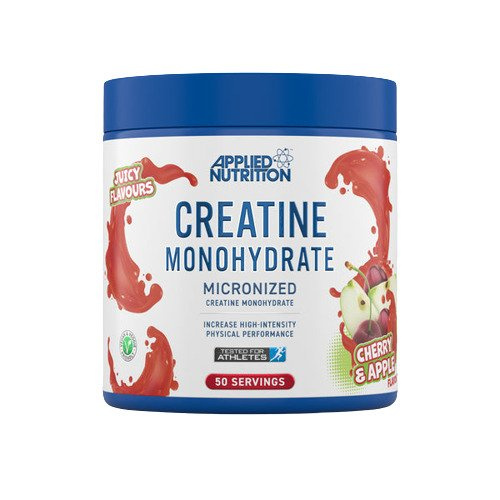
Creatine Monohydrate, Cherry & Apple - 250g
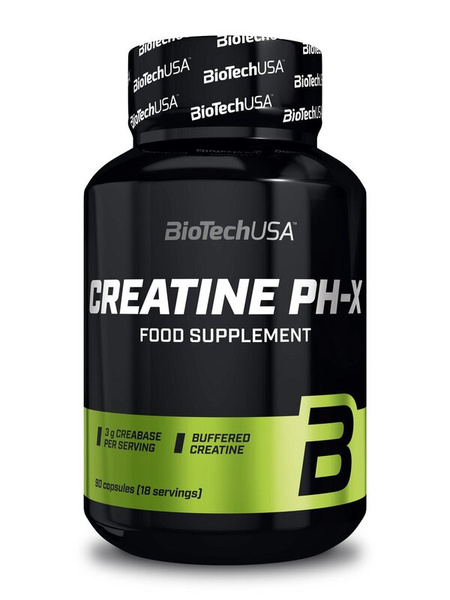
Creatine PH-X - 210 caps